
Learning Hub
Understand deer patterns
Environmental & Weather Data
Barometric Pressure
Rapid changes or high pressure shifts often trigger active deer movement.
Temperature & Wind
High/low temperatures dictate feeding urgency, while wind direction dictates your approach and stand placement.
Moon Phase
Rising moon times and specific illumination phases help predict peak daylight activity times.
Scouting & Historical Records
Trail Camera Photos
Organizing time-stamped images by date helps track specific buck movements and patterns across seasons.
Sightings Logs
Recording the exact time, wind direction, travel direction, and number of deer seen per hunt builds a reliable pattern archive.
Mapping Data
Noting food plots, stand locations, and access trails via apps like HuntStand or onX Hunt gives spatial context to your logs.
Harvest & Biological Data
Age and Weight
Collecting jawbones or tracking weight helps gauge the overall health and age structure of the local deer herd.
Antler Measurements
Tracking points, main beam length, and mass on harvested bucks provides year-over-year genetic and management trends.
Rumen Contents
Inspecting stomach contents reveals what natural or supplemental food sources deer rely on during specific weeks of the season.
Video library
Subscribe on YouTube →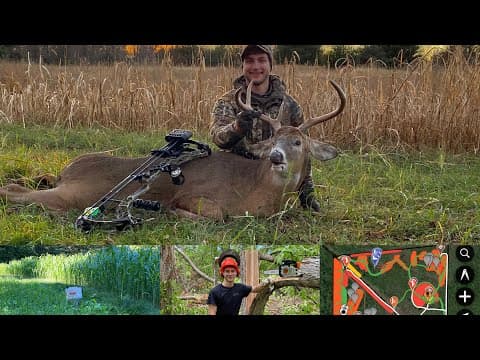
What You Get When You Hire Legendary Habitat

Creating Predictable Deer Movement: Steering Trails
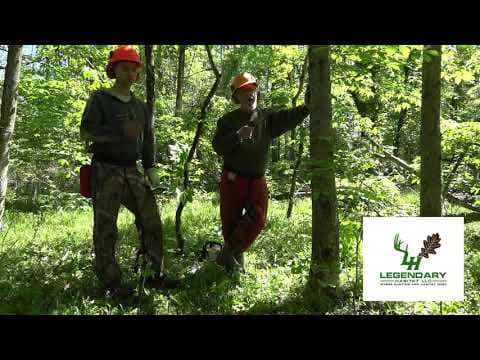
Creating Hinge Cut Bedding Areas with Jim Brauker
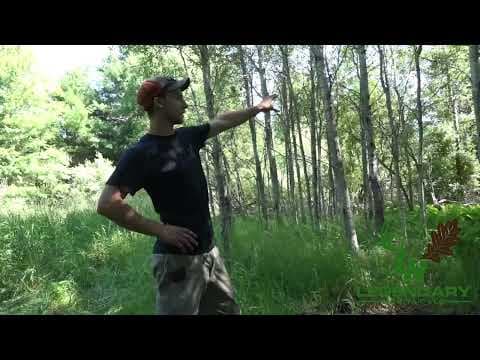
Creating Bedding in Lowland Habitat: Reed Canary Grass
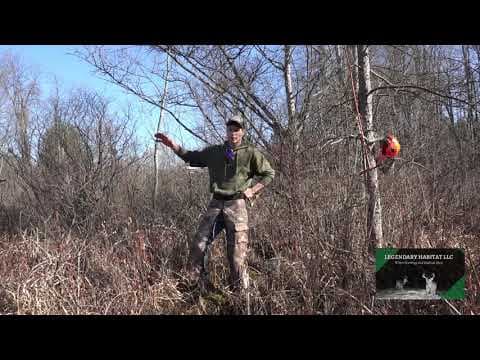
Creating Buck Bedding in Swamps and Wetlands
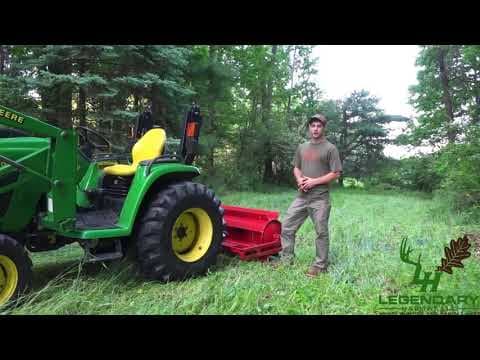
No-Till Food Plots: Roller Crimping and Cover Crops
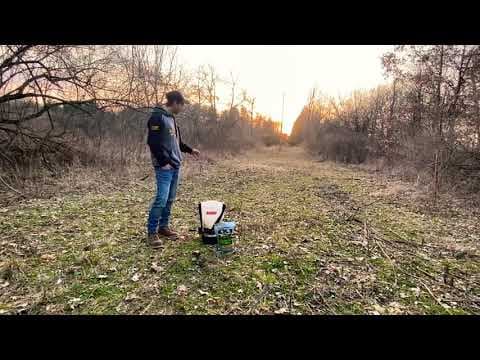
Frost Seeding Clover
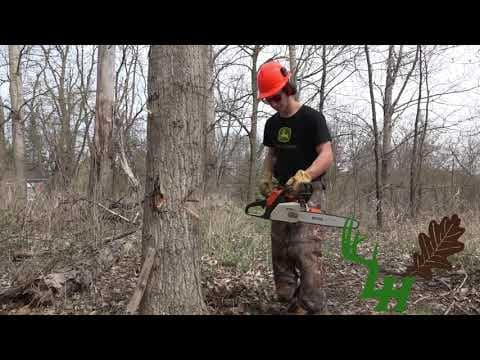
How to Conventionally Fell a Tree